Common Misconceptions About Indoor Sports: Insights from Stat Center


Introduction to Indoor Sports
Indoor sports have been gaining traction in recent years, offering a climate-controlled environment that ensures playing conditions are consistent year-round. Despite their growing popularity, there are several misconceptions that persist about indoor sports. With insights from Stat Center, we aim to debunk these myths and provide a clearer understanding of what indoor sports truly entail.
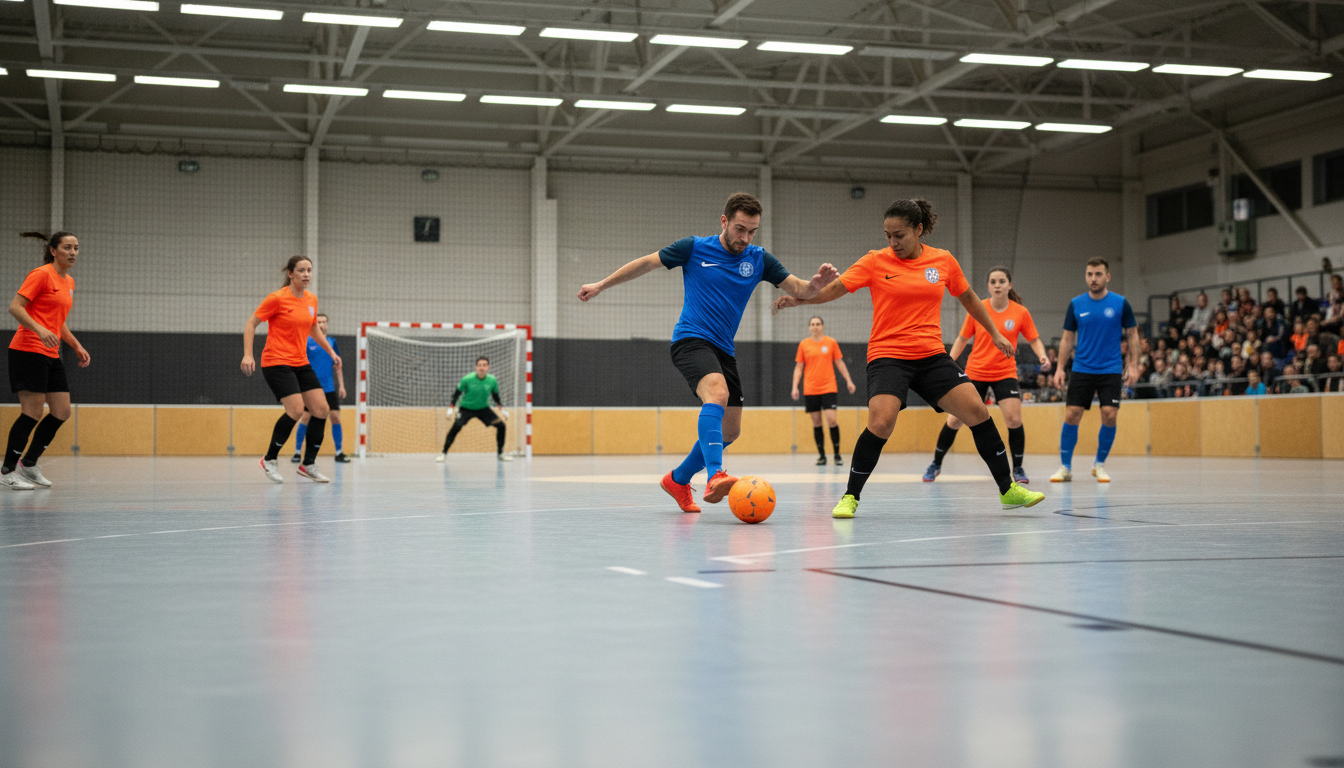
Misconception: Indoor Sports Lack Intensity
A common belief is that indoor sports are less intense than their outdoor counterparts. This misconception stems from the assumption that being indoors limits the physical demands. However, indoor sports like basketball, volleyball, and indoor soccer require high levels of stamina, agility, and strength. The confined space often demands quicker reflexes and more strategic play.
According to Stat Center, the compact nature of indoor fields and courts often increases the pace of the game, requiring athletes to maintain high intensity throughout the match. This environment challenges players to improve their skills and adapt rapidly to changing situations.
Misconception: Indoor Sports Are Only for Kids
Another widespread misconception is that indoor sports are primarily for children or beginners. While it's true that many children start with indoor sports, these activities cater to all age groups and skill levels. Facilities offer adult leagues and competitive tournaments that attract experienced athletes.
Stat Center data reveals that adult participation in indoor sports has seen a significant rise, with more adults seeking them for social interaction, fitness, and competition. Indoor sports provide an excellent platform for adults to stay active and engaged.
Misconception: Indoor Sports Are Limited in Variety
Some believe that indoor sports are limited to only a few activities. In reality, the variety of indoor sports is vast and continually expanding. Beyond traditional sports like basketball and tennis, there are indoor climbing, futsal, badminton, and even indoor cricket.
The adaptability of indoor facilities allows for the incorporation of innovative sports and activities. This diversity ensures that participants can find a sport that matches their interests and skill levels, making indoor sports a versatile option for everyone.
Misconception: Indoor Sports Are Less Competitive
The assumption that indoor sports are less competitive is far from accurate. Many indoor sports leagues and tournaments are highly competitive, attracting top-tier athletes and teams. These events showcase high skill levels and intense competition, similar to outdoor sports.
Stat Center highlights numerous instances where indoor sports competitions have served as stepping stones for athletes aspiring to reach professional levels. The structured environment of indoor sports allows for rigorous training and skill development.
Conclusion: Embracing the Benefits of Indoor Sports
Indoor sports offer a unique set of advantages that debunk many of the common misconceptions. They provide a controlled environment for consistent play, cater to a wide range of participants, and encompass a diverse array of activities. By understanding the true nature of indoor sports, individuals can appreciate the opportunities they present for fitness, competition, and personal growth.
As more people discover the benefits of indoor sports, these activities will continue to thrive, offering exciting prospects for athletes of all ages and skill levels. Whether you are looking to stay active, compete, or simply have fun, indoor sports present a valuable and rewarding option.